


Navigating Life After an AVM, Aneurysm and Stroke at 35
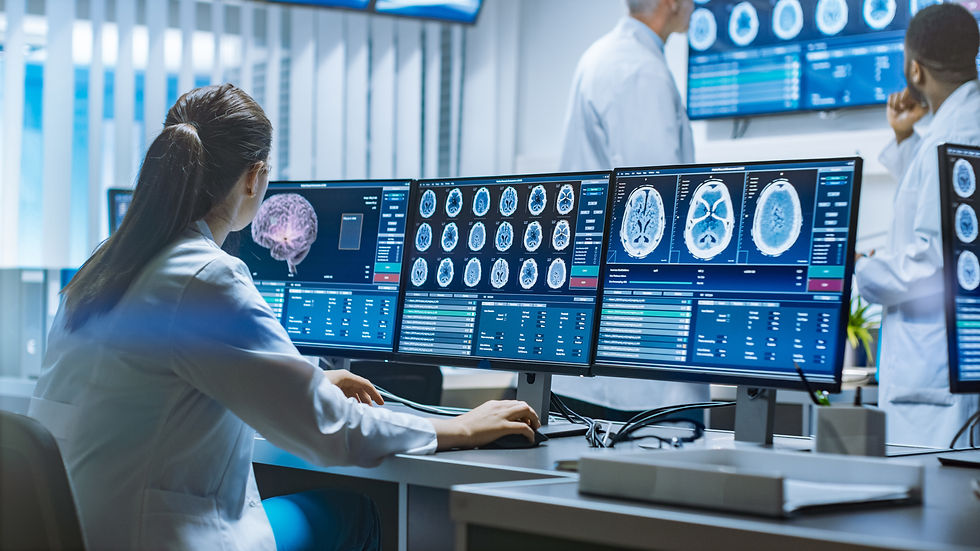
Arteriovenous Malformation (AVM)
An arteriovenous malformation (AVM) is a congenital condition characterized by an unusual network of blood vessels connecting arteries and veins, which can disrupt normal blood flow and oxygen delivery. Key aspects of AVMs include:
Causes: AVMs are typically present at birth, though they may not be detected until later in life. The exact cause remains unknown.
Symptoms: Symptoms can vary widely, including headaches, seizures, and neurological problems, depending on the AVM's size and location.
Diagnosis: AVMs are often diagnosed using imaging techniques such as MRI, CT scans, or angiography.
Treatment: Treatment options may include monitoring, surgery, endovascular embolization, or radiation therapy, depending on the AVM's size, location, and symptoms.
Aneurysm
An aneurysm is a localized swelling or bulge in a blood vessel due to a weakness in the vessel wall. They can occur in various parts of the body but are most commonly found in the brain (cerebral aneurysms) and the aorta. Important points include:
Types: Aneurysms are classified into several types, including saccular (berry), fusiform, and dissecting aneurysms.
Risk Factors: Common risk factors include high blood pressure, smoking, genetic predispositions, and certain connective tissue disorders.
Symptoms: Many aneurysms do not show symptoms until they rupture. Signs of a ruptured aneurysm may include a sudden severe headache, nausea, vision changes, and loss of consciousness.
Diagnosis: Aneurysms are typically detected using imaging methods like CT scans, MRIs, or angiograms.
Treatment: Treatment options may include monitoring, surgical clipping, or endovascular coiling, depending on the aneurysm's type and location.
Stroke
A stroke occurs when there is a disruption of blood supply to the brain, leading to cell death and neurological issues. There are two main types of strokes: ischemic and hemorrhagic. Key points include:
Ischemic Stroke: This type occurs when a blood vessel supplying the brain is blocked, often by a blood clot, and accounts for about 87% of all strokes.
Hemorrhagic Stroke: This occurs when a blood vessel in the brain bursts, causing bleeding in or around the brain. Conditions like aneurysms and AVMs can increase the risk of hemorrhagic stroke.
Symptoms: Common symptoms include sudden numbness or weakness, confusion, difficulty speaking or understanding speech, vision problems, and a severe headache.
Diagnosis: Stroke is diagnosed through clinical evaluation and imaging studies such as CT or MRI scans.
Treatment: Treatment varies by stroke type; ischemic strokes may be treated with clot-dissolving medications or mechanical thrombectomy, while hemorrhagic strokes may require surgical intervention.
Understanding AVM, Aneurysm, and Stroke
In my case, the AVM and aneurysm created a triple threat. The AVM caused abnormal blood flow, the aneurysm weakened the vessel walls, and the stroke resulted from bleeding caused by these issues. This combination is rare but dangerous, especially for younger adults who may not expect such health problems.
The Day My Life Changed
On January 1, 2021, I experienced sudden weakness, confusion, and loss of coordination. At 35 years old, I never imagined these symptoms would signal a stroke. The emergency room confirmed the diagnosis: a hemorrhagic stroke caused by my AVM and aneurysm.
The initial shock was overwhelming. I faced uncertainty about recovery and the future. But I quickly realized that understanding my condition and focusing on recovery were crucial steps.
The Road to Recovery
Recovery from a stroke caused by AVM and aneurysm is complex. It involves medical treatment, rehabilitation, and emotional healing. Here are some key steps that helped me:
Medical treatment: I underwent surgery to repair the aneurysm and reduce the AVM’s impact. This was critical to prevent further bleeding.
Physical therapy: Regaining strength and coordination required consistent therapy. Small daily exercises added up to big improvements.
Speech therapy: The stroke affected my speech, so working with a therapist helped me communicate clearly again.
Emotional support: Connecting with family, friends, and support groups provided encouragement and motivation.
Each day brought progress, even when it felt slow. Celebrating small victories kept me focused on the bigger goal: regaining independence.
Lessons Learned and Advice for Others
Facing a stroke at a young age taught me valuable lessons. Here are some insights for anyone on a similar path:
Know your body: Pay attention to unusual symptoms like headaches, dizziness, or weakness. Early detection can save lives.
Seek expert care: Specialists in neurology and vascular surgery are essential for managing AVM and aneurysm.
Stay patient: Recovery takes time. Progress may be gradual, but persistence matters more than speed.
Build a support network: Surround yourself with people who understand your journey and can offer help.
Focus on mental health: Stroke recovery is as much emotional as physical. Don’t hesitate to seek counseling or spiritual support.
Finding Hope Through Faith
Faith played a vital role in my recovery. A Bible verse that gave me strength is Isaiah 41:10:
“So do not fear, for I am with you; do not be dismayed, for I am your God. I will strengthen you and help you; I will uphold you with my righteous right hand.”
This verse reminded me that I was not alone. It gave me courage to face each challenge and hope for the future.
Resources for Stroke Survivors and Caregivers
If you or a loved one is dealing with stroke, AVM, or aneurysm, these resources can provide valuable information and support:
American Stroke Association
Website: stroke.org
Offers education, recovery tips, and community support.
Brain Aneurysm Foundation
Website: bafound.org
Provides resources on aneurysm awareness and treatment options.
AVM Support Network
Website: avmsupport.org
Connects patients and families affected by AVM.
National Stroke Association
Website: stroke.org
Offers tools for stroke prevention and rehabilitation.
Advancing with Resilience
My stroke journey began with fear and uncertainty but evolved into a story of resilience and hope. Living with AVM and aneurysm taught me to appreciate every moment and to never give up. If you or someone you know faces a stroke, remember that recovery is possible. With the right care, support, and faith, life after stroke can still be full and meaningful.


Comments